The Difference Between SEO and PPC

Posted: Thursday, April 26th, 2012 by | Filed under: , , ,
PPC and SEO

PPC and SEO

Although it may seem obvious to some, SEO and PPC can be confusing. If your business is looking to increase its internet presence, these are two great ways to do so. SEO and PPC are very different, but when used together can maximize search engine results.

Search engine optimization (SEO) is a process and gets your website to rank in organic search results. Organic results are unpaid and appear in the main section of search engine results. There are many elements that go into SEO including keyword research, updating website copy, building backlinks and more.

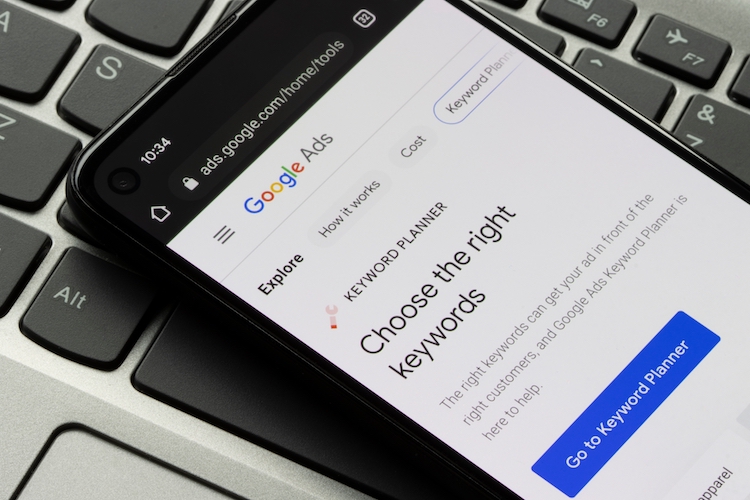
PPC stands for pay per click and refers to search engine or paid advertising through websites like Google, Yahoo or Bing. With PPC advertising, you pay the search engine (Google) to appear in their search results, either on the top of the search engine or on the right side. This type of advertising is called pay per click because you are in fact paying Google per click. You set up a campaign by choosing certain keywords (usually based on what you’re willing to pay) and when someone clicks your ad, Google charges you that amount. Read more …

Local Search Results vs. Global Search Results

Posted: Thursday, April 19th, 2012 by | Filed under: , , , ,

A common question raised among our clients is “how do the search engines determine between local search or global search?” In other words, how do search engines know what you’re looking for? Do they really know the difference between “wedding” and “wedding nj”?

Google Search

If your keyword can be identified as global or local, the next thing search engines will look at is your intent. If your search is localized or can be considered localized, the search engine will deliver local results. If you’re searching “wedding,” the search engine may go either way, delivered local results in the Google local section, but maybe delivering broad websites in organic results.Well, one of the first things search engines look into at is your location. Search engines will identify your location and whether or not your keyword combination has any local intentions. In Google, you can set your location settings accurately or to where you intend on have a “wedding.” If you set your location settings to a more broad setting (ie: United States) you will get more broad results.

Search engines will also crawl data and reference other searches you’ve conducted to try and relate them to your current search. Aside from your search history, search engines will aggregate information and data from other users to try and best pinpoint what your intent is. How frequent is your keyword combination used? Are other users looking for local or global results? How many clicks on Google local were there based on this search combination? And so on and so forth. Read more …

Does Social Bookmarking Help SEO?

Posted: Monday, April 2nd, 2012 by | Filed under: , , , ,
Social Bookmarking Sites

Social Bookmarking Sites

Social bookmarking is a way for internet users to organize and manage their bookmarks of online resources. Social bookmarking for SEO companies is not only for organization, but a help with creating backlinks and increasing the visibility of the website across a number of platforms.

For SEO, social bookmarking sites are helpful in that every time you add a bookmark to a social bookmarking site, you create a backlink. Backlinks are one of the most important pieces to the SEO puzzle. Over time, by adding and building the number of backlinks to your website, you can help increase its PageRank and ranking in many search engines, especially Google.

Websites like Delicious, StumbleUpon and Digg provide users with the option to “vote.” If your content is of good quality, voters can vote your link up, which can result in a good amount of traffic. Quality traffic to your website is very valuable and for many, can turn into potential leads. Read more …

What is Social Bookmarking?

Posted: Tuesday, March 27th, 2012 by | Filed under: , , , ,
Social bookmarking

Social bookmarking

Social bookmarking is a way to share and organize your links. By adding your links to social bookmarking sites, you can save and access your favorite webpages whenever you want to. Most of the popular website, such as Delicious, Digg or Technorati allow you to add tags and descriptions for SEO and to help others find your content.

Not only is social bookmarking helpful for SEO, but it can also help generate traffic. People browse social bookmarking sites in search of content and information, if they come across your website, there’s a chance they may click on to your website. These clicks can possibly turn into business leads, depending on what the user is looking for.

The links you submit to these social bookmarking website can also increase the number of backlinks and indirectly help increase your PageRank. PageRank is part of Google’s ranking algorithm, by helping determine quality websites. The higher your PageRank, the higher your ranking. In turn, the more traffic and the more people finding your website and business. Read more …

On Page SEO Factors

Posted: Saturday, March 3rd, 2012 by | Filed under: , ,

Basic SEO practice usually starts with on-page SEO factors. When you begin an SEO campaign, there are different pieces of the puzzle you need to “solve” in order to get rolling. Although these important factors aren’t going to boost your ranking in a week, they will sure contribute to Google’s evaluation of your website as well enhancing your website overall. Here are some minor factors to consider when including on-page SEO in your website:

1. Title tags – You’ve most likely done your keyword research before you begin on-page SEO, but if not – now is the time to do it. Your title tags are displayed in two spots: on the top of your webpage, in the title bar of your web browser:

And in the headline of most search results in search engines:

Title tag optimization

Title tag optimization

These title tags will help users understand what your webpage is about and users are more likely to click on a search results with a defined title tag. Be sure to include those SEO keywords! Read more …

How to Read Google Analytics

Posted: Monday, February 27th, 2012 by | Filed under: , ,

Depending on who you are or what type of business you’re running will depend on which metrics concern you in Google Analytics. As an SEO agency, you’re responsible for monitoring analytics for multiple clients. Most times, you will be watching different areas for different clients.

There are a few basics that are important for website owners. Most people want to know how their website is being used, by who and what their visitors are looking at.  There are a few different ways to measure those metrics.

Google Analytics always gives you a month’s worth of data, so depending on which time frame you want to study, set the data range to that. Below, I set my data to read the month of November.


Google Analytics

Google Analytics

Under the date range, Google gives you an overview of the important basic metrics you should be concerned about: Read more …

Internet Marketing Big Picture

Posted: Thursday, February 23rd, 2012 by | Filed under: , ,


Internet marketing

Internet marketing

Internet marketing incorporates more than just SEO into the mix. A successful online marketing campaign should include content marketing, SEO and social media. These three pieces of the puzzle will help build a strong internet presence. Yes, you can slowly focus on one area, but these three work best when they’re used together.

Unfortunately (for SEO agencies), Google and other search engines have been getting smarter as the days go on. They know which websites are using SEO and which aren’t. With that said, Google’s algorithm for ranking evaluates more than just whether or not a website is using SEO. Ranking well in search engines may be a great start, but it’s not the only thing that’s going to help your business grow. Ranking well may translate to the user that your website is trusted by the search engines, but many times that’s not enough to convince them you’re what they are looking for. Read more …

Social Media Marketing Results

Posted: Tuesday, February 7th, 2012 by | Filed under: , ,
Social media strategies

Social media strategies

Search engines are constantly changing and updating. Just research Google Panda and you’ll find out all about Google’s updates to its algorithm. Unfortunately, there’s no controlling Google, but there are ways to help your website prepare for these types of changes. For SEO, content is king. Search engines like content, especially keyword-rich content. Your webpages throughout your website should incorporate relevant keywords into the copy; this will help your ranking in search engines.

Now, with social media’s popularity, search engines have started using social signals, such as Facebook Likes, Tweets and +1s in their search results. Social media has changed the game since they produce such a large amount of information. Content is pouring out of LinkedIn, Twitter and Facebook, among others.

Search engines look at social media sites for guidance and use them as part of their algorithms for search results. If your content is shared by a significant number of people, chances are that there must be something interesting about it. That said, Google will consider it when ranking its results for relevant searches.

Google and Bing now consider shared content when responding to searches. Tweets, Facebook Likes and other social media shared content appears in organic search when relevant. This all circles back to SEO experts and their concern over quality, keyword rich content. Read more …

Social Media Marketing Basics

Posted: Thursday, January 26th, 2012 by | Filed under: , ,


Social Media Marketing

Social Media Marketing

Social media has become an important aspect of marketing, public relations and SEO campaigns over the past few years. With the growing integration of marketing and SEO, it’s important to optimize your website (and brand) by influencing Google and other search engines in as many ways possible.

Social media sites such as Twitter and Facebook now hold high credibility in search engine results. By sharing your website and blog content on your social media feeds, you are adding to additional “backlinks” to your content, but it doesn’t end there. The whole idea behind social media is to interact with clients, friends, customers and other experts in your industry by being social.  The more “shares” and interaction around your content triggers the search engines to look at your social media feeds and eventually your website, giving it higher rank.

There’s a lot more behind social media than just sharing content on Facebook and Twitter. Interacting and joining conversation is a large part of social media, but in terms of helping your website and business rank in search engines, combining SEO and social media can be very beneficial for you. Here are a few SEO tips to keep in mind when posting to social media feeds and networking with others. Read more …

Black Hat SEO vs. White Hat SEO

Posted: Saturday, January 14th, 2012 by | Filed under: , ,

White Hat SEO is what is considered legal/acceptable techniques to reach your search engine optimization goals. Black Hat SEO would be the illegal/unethical tricks used to cut corners and increase your site’s ranking on search engine results pages.

Black Hat SEO

Black Hat

Black Hat

Examples of black hat SEO are link buying, keyword stuffing, and invisible text, to name a few. Link buying is exactly what it sounds like. Buying backlinks to your site so that you can increase your search engine ranking is unethical

The field of web marketing keeps evolving, and as search engines continue to improve on their algorithms to better meet the search needs of their users, the definition of what is white hat SEO and black hat SEO continues to change as well. Read more …